Designing for Everyone: Why Web Accessibility Isn’t Just Good Practice, It’s Essential
In today’s digital-first world, your website is often the first, and sometimes only, interaction people have with your brand, business, or organisation. But what if that interaction is a barrier for a significant portion of your potential audience? That’s where web accessibility comes in – ensuring that everyone, regardless of their abilities, can perceive, understand, navigate, and interact with your website.
It’s more than just a buzzword; it’s a fundamental principle of inclusive design, a legal requirement in many regions, and ultimately, a smart business strategy.
What is Web Accessibility?
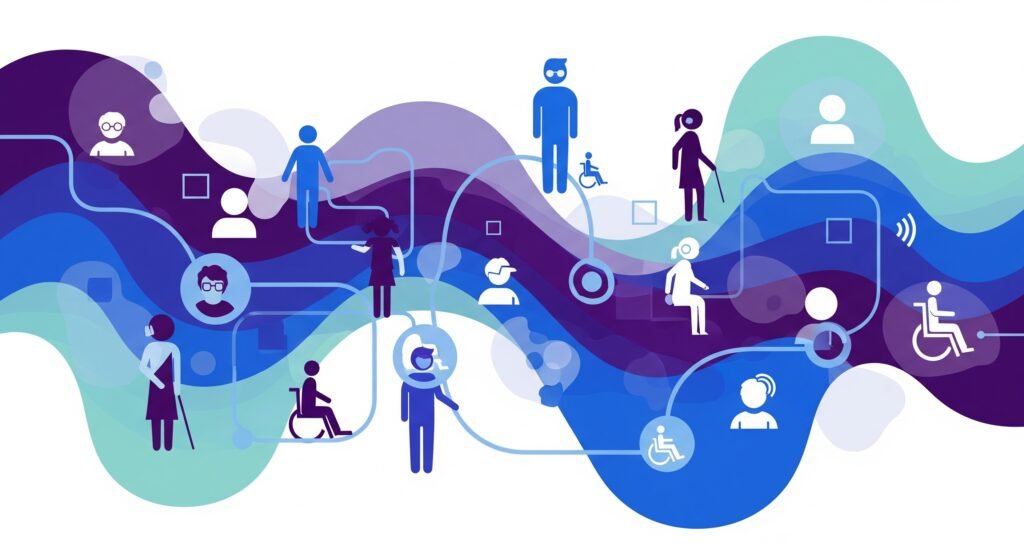
At its core, web accessibility means designing and developing websites so that people with disabilities can use them effectively. This includes individuals with:
- Visual impairments: Blindness, low vision, colour blindness.
- Hearing impairments: Deafness, hard of hearing.
- Motor impairments: Difficulty using a mouse, keyboard, or other input devices.
- Cognitive impairments: Learning disabilities, ADHD, dyslexia.
- Neurological impairments: Conditions like epilepsy that can be triggered by flashing content.
It also extends to people facing temporary or situational limitations, such as someone with a broken arm, in a noisy environment, or using an older device with a slow internet connection.
Why Does Web Accessibility Matter?
The reasons for embracing web accessibility are compelling:
- Inclusivity and Equality: This is the most important reason. Everyone deserves equal access to information and opportunities online. An accessible website ensures that no one is excluded from engaging with your content, products, or services.
- Broader Audience Reach: Did you know that an estimated 1.3 billion people worldwide live with some form of disability? By making your website accessible, you tap into a massive market segment and expand your potential customer base. This also includes the friends and family of those with disabilities who may influence purchasing decisions.
- Legal Compliance: In many countries, web accessibility is mandated by law. Legislation like the Americans with Disabilities Act (ADA) in the US, the Equality Act in the UK, and the European Accessibility Act (EAA) require websites to be accessible. Non-compliance can lead to costly lawsuits, fines, and reputational damage, such as the case of Domino’s Pizza, sued for an inaccessible website, serves as a stark reminder of these legal implications.
- Improved User Experience for Everyone: Designing for accessibility often results in a better user experience for all users. Features like clear navigation, well-structured content, and good colour contrast benefit everyone, not just those with disabilities. Think about captions on videos – useful for deaf users, but also for someone watching in a noisy public space.
- Enhanced SEO: Search engines prioritize accessible websites. Many accessibility best practices, such as proper use of semantic HTML, alt text for images, and clear heading structures, align directly with good SEO principles. This can lead to higher search engine rankings and increased organic traffic.
- Positive Brand Image: Companies that demonstrate a commitment to inclusivity and social responsibility build stronger brand loyalty and a more positive public image. Being known as an accessible brand fosters trust and credibility.
Key Principles of Accessible Web Design
While the Web Content Accessibility Guidelines (WCAG) provide a comprehensive framework, here are some fundamental principles to keep in mind:
- Perceivable: Information and UI components must be presented to users in ways they can perceive. This means providing text alternatives for non-text content (like alt text for images), captions for audio and video, and ensuring sufficient colour contrast.
- Operable: Users must be able to operate the interface and navigation. This includes making all functionality accessible via keyboard, providing clear focus indicators, and avoiding content that flashes rapidly (which can trigger seizures).
- Understandable: Information and the operation of the user interface must be understandable. Use clear and concise language, maintain consistent navigation, and provide helpful error messages.
- Robust: Content must be robust enough that it can be interpreted reliably by a wide range of user agents, including assistive technologies. This involves using semantic HTML and adhering to web standards.
Tools and Tips for Building Accessible Websites
Automated Accessibility Checkers: Tools like WAVE, Axe, and Lighthouse can help identify many common accessibility issues.
- Manual Testing: Automated tools can’t catch everything. Manual testing with assistive technologies like screen readers (NVDA, JAWS, VoiceOver) and keyboard-only navigation is crucial.
- User Testing: Involving people with disabilities in your testing process provides invaluable insights into real-world challenges.
- Semantic HTML: Use HTML elements for their intended purpose (e.g.,
<header>,<nav>,<h1>,<p>). This provides structure and meaning for assistive technologies. - Alt Text for Images: Provide concise and descriptive
alttext for all meaningful images. - Keyboard Navigation: Ensure all interactive elements can be accessed and operated using only a keyboard.
- Colour Contrast: Use a contrast checker to ensure text and background colours have sufficient contrast ratios.
- Clear and Consistent Navigation: Make it easy for users to find what they’re looking for and understand where they are on your site.
- Transcripts and Captions: Offer transcripts for audio content and captions for videos.
The Bottom Line
Web accessibility isn’t an optional extra; it’s a fundamental aspect of good web design. By embracing accessibility, you not only create a more inclusive and equitable online world but also build a stronger, more resilient, and more successful digital presence for your organisation. It’s an investment that pays dividends in legal compliance, expanded reach, improved user experience, and enhanced brand reputation. Start your accessibility journey today – the web should be for everyone.